Pink Peony Tea Party: A Shabby-Chic Design
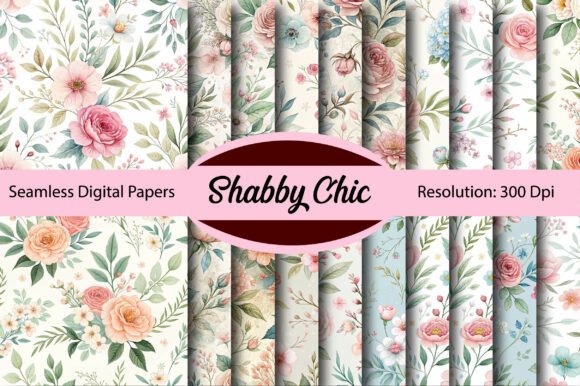
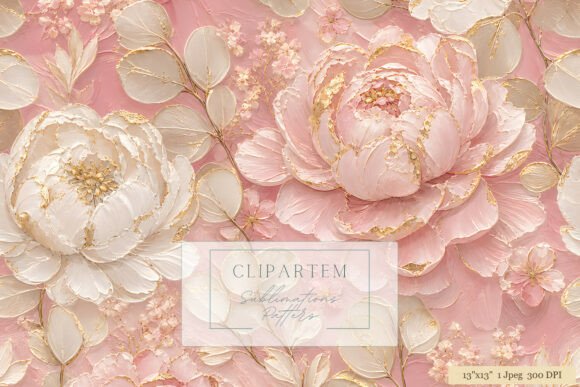
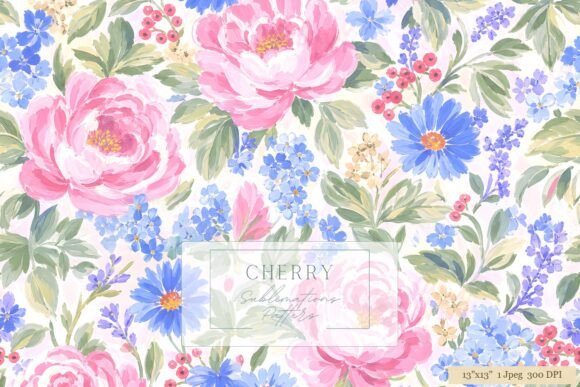
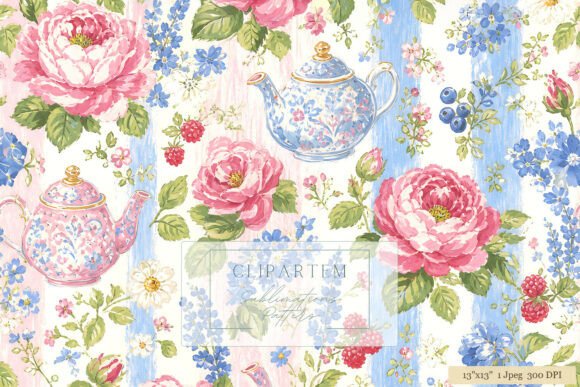
The Pink Peony Tea Party Floral Pattern is more than just a decorative motif; it is a carefully curated visual narrative that captures the essence of romantic nostalgia and cottage-core charm. At its heart, this design merges the lush, painterly quality of watercolour botanicals with the structured elegance of English tea culture. The composition features oversized blush and deep rose peonies that dominate the visual field, rendered with soft edges and rich saturation to mimic hand-painted artistry. These focal flowers are not isolated but interact dynamically with smaller elements like white daisy clusters, delicate blue forget-me-nots, and sprigs of lavender-blue florals, creating a sense of depth and organic movement.
What makes this pattern particularly useful for creators and designers is its balanced colour story. The palette navigates the space between warm blush pinks, deep magenta roses, and cooling powder blues, all grounded by sage and forest greens. Touches of antique gold add a layer of sophistication without overwhelming the softer tones. The background is equally critical to the design's success; vertical brushstroke stripes in pale pink and sky blue evoke the texture of aged wood panelling or washed linen. This textured ground prevents the busy floral elements from feeling flat, providing a subtle rhythm that ties the entire composition together. For professionals looking to infuse their projects with a feminine, vintage aesthetic, this surface pattern offers a versatile foundation that feels both timeless and contemporary.
Translating Nostalgia into Modern Products
The true value of the Pink Peony Tea Party Floral Pattern lies in its adaptability across various physical and digital mediums. Because the design anchors itself with distinct imagery—such as the ornate chinoiserie-style teapots—one soft blue with gold trim and another pink with lattice detailing—it instantly communicates a theme of hospitality and leisure. This makes it an exceptional choice for sublimation printing on home goods. Imagine this pattern wrapping around a ceramic mug; the curved surface enhances the three-dimensional feel of the peonies, while the striped background provides a consistent frame that looks intentional from every angle.
For small business owners selling handmade goods, this design translates beautifully onto textile products. Aprons and tea towels benefit from the "garden-fresh" mood, where the scattered raspberries and blueberries add a whimsical touch that resonates with customers who enjoy baking or gardening. When applied to cushion covers or fabric yardage, the large scale of the peonies ensures the pattern does not get lost in the folds of the material. The hand-painted green foliage acts as a natural connector, ensuring that even when the fabric is cut or sewn, the remaining pieces retain a cohesive botanical feel. This versatility allows entrepreneurs to create coordinated product lines, such as matching tote bags and planner stickers, establishing a strong brand identity rooted in romantic aesthetics.
Strategic Applications for Digital Creators
Digital designers and content creators can leverage this pattern to elevate user interfaces and marketing materials. The soft, textured background serves as an excellent canvas for website headers, social media posts, or email newsletter templates. Unlike high-contrast geometric patterns that can distract from text, the muted tones of the Pink Peony Tea Party allow typography to remain legible while still adding personality. Bloggers in the lifestyle, wedding, or parenting niches can use this design to create custom graphics that feel inviting and personal.
In the realm of printable media, the pattern excels as scrapbooking paper or gift wrapping. The inclusion of specific elements like the china teapots gives scrapbookers immediate thematic cues for pages dedicated to afternoon teas, bridal showers, or spring gatherings. For those creating digital planners or Procreate brush sets, the individual elements—the peonies, the berries, the teapots—can be extracted to create sticker packs or decorative borders. This modularity extends the life of the design beyond a single repeating tile, offering users the flexibility to build custom layouts that suit their specific storytelling needs.
Curating a Cohesive Brand Aesthetic
Integrating this pattern into a broader brand strategy requires a thoughtful approach to consistency. The Pink Peony Tea Party Floral Pattern naturally appeals to audiences seeking comfort, elegance, and a connection to nature. Marketers should align this visual language with messaging that emphasizes quality, tradition, and self-care. For instance, a boutique selling artisanal soaps could use this pattern on packaging to suggest that the product is crafted with the same care and attention to detail as a formal tea service.
To maintain clarity and effectiveness, it is crucial to consider the scale of application. On large formats like wallpaper or fabric bolts, the oversized peonies create a dramatic, immersive environment. However, on smaller items like planner stickers or phone cases, ensuring that the intricate details of the lattice teapot or the forget-me-nots remain visible is key. Designers might need to adjust the zoom level or crop specific sections of the pattern to highlight these finer details without cluttering the small surface area. Keeping the results organized involves selecting a primary colour from the palette—perhaps the sage green or powder blue—to use for accompanying text or UI elements, ensuring the final output feels unified rather than chaotic.
Practical Inspiration for Diverse Projects
The possibilities for utilizing this design are vast, limited only by the creator's imagination. Here are several practical ways different users can adapt the pattern for their specific goals:
- Educators and Workshop Leaders: Use the pattern as a background for presentation slides during creative writing workshops or history lessons about the Victorian era, setting a mood that encourages reflection and creativity.
- Wedding Planners: Incorporate the design into invitation suites, menu cards, and table runners for garden-themed weddings, leveraging the romantic peonies and tea motifs to reinforce the event's atmosphere.
- Fashion Designers: Apply the pattern to silk scarves or lining fabrics for blazers, using the antique gold accents to bridge the gap between casual floral prints and luxury fashion.
- Content Creators: Develop YouTube channel art or podcast cover art that utilizes the striped background to frame titles, ensuring the text stands out against the softer floral elements.
- Interior Decorators: Suggest the pattern for accent walls in sunrooms or reading nooks, where the "cosy" and "garden-fresh" mood can enhance the relaxation experience of the space.
When adapting the Pink Peony Tea Party Floral Pattern, always prioritize the end-user experience. Whether it is a customer holding a warm mug or a reader scrolling through a blog, the design should evoke a sense of calm and delight. Avoid over-saturating the market with identical applications; instead, find unique intersections where the pattern solves a visual problem or enhances an emotional connection. By treating the pattern as a flexible tool rather than a static image, creators can produce work that feels original and deeply resonant with their target audience.
Ultimately, the strength of this design lies in its ability to tell a story without words. The combination of lush botanicals, whimsical fruits, and elegant teaware creates a world that viewers want to step into. For designers and makers, this provides a powerful asset that drives engagement and sales. By understanding the nuances of the colour palette, the importance of the textured background, and the specific appeal of the shabby-chic style, professionals can deploy this pattern effectively across a wide range of projects. The result is a body of work that feels authentic, inspiring, and perfectly suited to the modern desire for beauty and comfort in everyday life.