Understanding the Blush Pink Peony Gold Pattern: A Guide to Aesthetic and Application
The Blush Pink Peony Gold Pattern represents a specific intersection of classical botanical illustration and modern luxury design. Unlike standard floral prints that rely on flat colors or simple vector outlines, this pattern is defined by its rich textural depth and sophisticated color palette. It features lush blush pink and ivory peonies with shimmering gold-edged petals set against a soft rose background, rendered in an elegant oil-texture style. For designers, crafters, and product developers, understanding the nuances of this aesthetic is crucial when deciding whether it fits a specific project or if an alternative style might serve the end goal better.
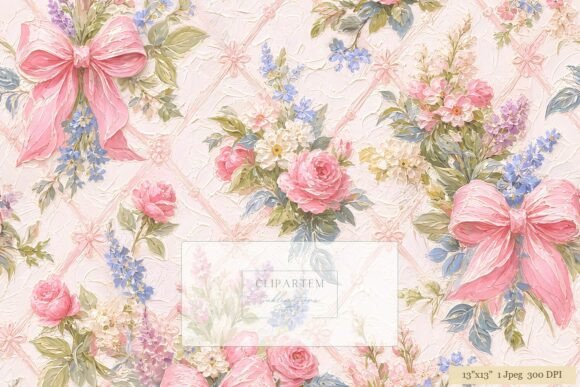
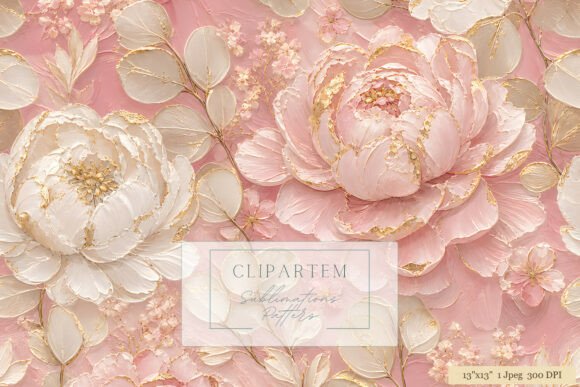
At its core, this design centers on two oversized peony blooms executed in a painterly, impasto oil-texture style. The larger bloom, occupying the right and upper center, showcases a warm blush pink hue. Its layered petals are accentuated by delicate gold foil-like outlines that trace every curve and edge, creating a sense of three-dimensionality. A second bloom, positioned in the lower left, unfolds in creamy ivory and white, utilizing the same gold-kissed detailing to maintain visual cohesion. Scattered throughout the composition are translucent round leaves with visible gold veining, wispy branches of tiny blush cherry blossom clusters, and loose petals that fill negative space against a solid dusty rose pink background. The result is a mood that is romantic, luxurious, and softly feminine.
Evaluating Texture and Visual Depth
One of the primary decision factors when selecting a floral pattern is the treatment of texture. The Blush Pink Peony Gold Pattern distinguishes itself through its simulation of oil paint. This impasto effect suggests thickness and movement, contrasting sharply with the clean, sharp lines of digital vector art or the uniform flatness of watercolor washes.
When comparing this style to alternatives, consider the intended medium. For digital screens, such as website backgrounds or social media graphics, high-contrast vector florals often load faster and scale more cleanly. However, for physical products where tactile perception matters—such as wedding invitations, fabric upholstery, or sublimated tumblers—the oil-texture approach offers a perceived value that flat designs lack. The interplay of light on the simulated brushstrokes and the metallic gold accents creates a dynamic visual experience that changes with the viewing angle, something a standard RGB print cannot achieve.
The trade-off here lies in complexity. Because the Blush Pink Peony Gold Pattern relies on subtle gradients and fine gold detailing to convey its luxury status, it requires high-resolution source files. If a project demands extreme scalability without loss of detail, a vector-based alternative might be more practical. Conversely, if the goal is to evoke a sense of artisanal craftsmanship and warmth, the oil-texture style is superior.
Color Story and Atmospheric Impact
The color story of this pattern revolves around blush pink, antique ivory, warm champagne gold, and rose quartz. This specific combination is not merely decorative; it serves a psychological function in design. These tones are inherently calming and associated with elegance, making them immediately versatile for wedding-related products, Valentine's Day merchandise, Mother's Day gifts, and everyday feminine lifestyle goods.
In comparison to bolder floral options that utilize saturated reds, deep purples, or vibrant greens, this palette is understated. It works best in environments where the design needs to complement rather than dominate. For instance, in interior design, this pattern acts as a sophisticated accent on throw pillows or upholstered chairs without overwhelming a room's existing decor. In contrast, a high-contrast tropical print might demand to be the focal point of a space.
Readers evaluating this pattern for branding should note its limitations regarding visibility. The soft, low-contrast nature of blush on dusty rose means it may not perform well in contexts requiring high legibility from a distance, such as outdoor signage or large-scale banners. It excels in intimate, close-range interactions, such as packaging, stationery, and personal accessories.
Sublimation and Material Compatibility
A significant portion of this pattern's utility lies in its suitability for sublimation printing. Sublimation allows the ink to penetrate the surface of polymers and coated metals, resulting in durable, full-color images. The Blush Pink Peony Gold Pattern is ideally suited for sublimation on tumblers, mugs, phone cases, and apparel fabric yardage.
However, successful application depends on the base material. The gold elements in the design are often simulated using yellow-gold ink values rather than actual metallic foil, unless a specific foil-transfer process is added post-printing. On white or light-colored substrates, the blush and ivory tones appear vibrant and true to the original oil-painting concept. On darker materials, the translucency of sublimation ink can cause the colors to mute or shift, potentially losing the delicate "gold-kissed" effect. Therefore, when choosing this pattern for merchandise, it is essential to stick to light-base products to preserve the intended aesthetic.
For textile applications, such as quilting, sewing, and upholstery, the digital nature of the pattern allows for seamless tiling. Yet, the scale of the oversized peonies must be considered relative to the final product size. On a small item like a coin purse, a single bloom might dominate the entire surface, altering the composition's balance. On larger yardage, the scattered leaves and cherry blossom clusters help break up the visual weight of the large flowers, creating a rhythmic flow that feels organic rather than repetitive.
Ideal Use Cases and Strategic Alternatives
Determining when to use the Blush Pink Peony Gold Pattern versus another option comes down to the target audience and the message being conveyed. This design is the optimal choice when the objective is to communicate romance, tradition, and high-end quality. It is particularly effective for:
- Bridal Elegance: The soft hues and gold accents align perfectly with classic and boho-chic wedding themes.
- Luxury Gifting: Gift wrapping and box designs benefit from the pattern's expensive look, elevating the perceived value of the contents.
- Digital Scrapbooking: As a background for Canva and Procreate projects, it provides a textured canvas that adds depth to photos and text overlays without cluttering the layout.
Conversely, there are scenarios where this pattern may not be the right fit. If the brand identity is modern, minimalist, or industrial, the ornate, painterly nature of these peonies might feel discordant. Similarly, for products targeting a younger demographic that prefers bold, graphic, or neon aesthetics, this soft, traditional style could appear dated. In such cases, a stylized line-art floral or a geometric abstraction of botanical forms might serve as a better alternative.
Furthermore, production costs can be a limiting factor. Achieving the specific "shimmer" of the gold edges in physical print sometimes requires specialized inks or finishing techniques like spot UV or foil stamping, which increase the unit cost. If the project budget is tight and relies solely on standard four-color process printing, the gold elements may appear as a flat mustard yellow, diminishing the luxurious impact. Designers must weigh the visual benefits against these potential production trade-offs.
Making an Informed Design Decision
Ultimately, the Blush Pink Peony Gold Pattern is a powerful tool in the designer's arsenal, offering a blend of artistic texture and commercial appeal. Its strength lies in its ability to evoke emotion through color and simulated texture, creating a connection with the viewer that feels personal and refined. However, like any design asset, its success depends on context.
Before committing to this pattern, evaluate the substrate, the lighting conditions of the final display, and the broader brand narrative. If the goal is to create something that feels timeless, gentle, and undeniably premium, this oil-texture floral approach is likely the superior choice. If the requirements lean towards high durability in harsh environments, extreme scalability, or a ultra-modern vibe, exploring alternative styles such as vector graphics or photographic realism may yield better results. By understanding both the capabilities and the constraints of this specific aesthetic, creators can ensure their final products resonate authentically with their intended audience.