Pink Peony Blue Floral Pattern: A Designer's Guide
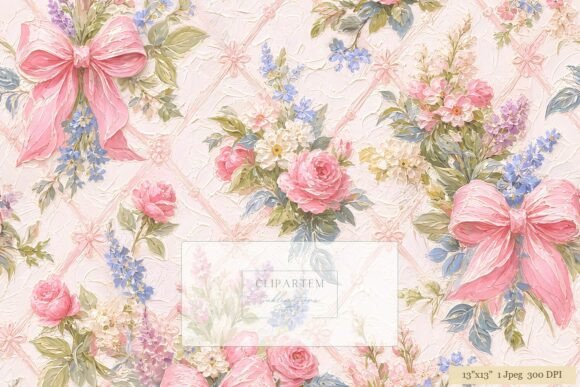
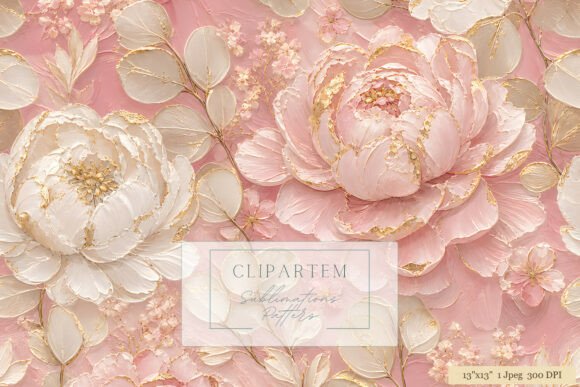
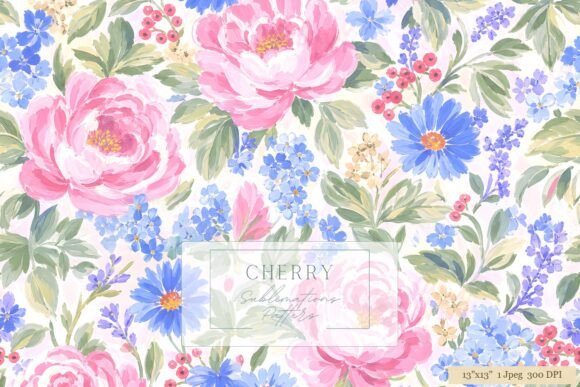
The intersection of classic botanical illustration and modern surface design is where truly timeless patterns are born. The Pink Peony Blue Floral Pattern exemplifies this balance, offering a lush watercolour aesthetic that feels both vintage and contemporary. At its core, this design features oversized pink peonies as the dominant motif, their layered petals rendered in soft rose, blush, and warm pink with golden yellow centres. These are not flat digital shapes; they possess the organic irregularity of hand-painted art, surrounded by a rich supporting cast of cobalt blue cornflowers, periwinkle forget-me-nots, and dusty lavender spikes.
What makes this specific pattern compelling for creators and business owners is its versatility. The colour palette strategically balances warm pinks against cool blues on a near-white ivory background. This high-contrast yet soft combination ensures the design remains legible whether printed on a small greeting card or scaled up for home décor upholstery. For designers working in Procreate, Photoshop, or Canva, the 300 DPI resolution and 13x13-inch dimensions provide a robust foundation for further customisation without losing clarity.
Translating Watercolour Texture to Commercial Products
When adapting a watercolour-based asset like this Pink Peony Blue Floral Pattern for commercial use, understanding the medium's characteristics is crucial. The loose, hand-painted quality reminiscent of classic English cottage garden illustration brings a sense of humanity to mass-produced items. Unlike rigid vector graphics, the soft edges and bleeding colours of this pattern evoke emotion, making it ideal for products where tactile feel and visual warmth matter.
For fabric yardage and quilting cotton, the seamless nature of the file allows for continuous printing without visible breaks. Imagine a spring collection of apparel where the oversized peonies drape naturally over a garment, or tote bags that feature the crimson berry clusters and cream blossom sprays as focal points. The sage, muted olive, and soft grey-green foliage provides enough neutral grounding to prevent the design from becoming overwhelming, ensuring the final product appeals to a broad demographic ranging from young adults to mature homeowners.
Strategic Applications for Small Business Owners
Entrepreneurs selling on platforms like Spoonflower, Redbubble, Society6, and Zazzle can leverage this pattern across multiple categories simultaneously. The key to success lies in contextualising the design for specific audiences rather than uploading it generically. Consider these targeted approaches:
- Bridal and Event Markets: The romantic, feminine mood makes this pattern perfect for bridal shower invitations, wedding programs, and gift wrap. The ivory background ensures that text overlays remain readable, a critical factor for stationery design.
- Home Décor and Interiors: When applied to wallpaper or pillow covers, the cobalt blue elements provide a striking accent against neutral room palettes. Designers can market these items as "garden-fresh" updates for spring renovation projects.
- Paper Goods and Scrapbooking: Hobbyists often look for cohesive themes. Using this pattern for scrapbooking paper allows users to create memory books with a consistent botanical theme, pairing well with handwritten journaling and pressed flowers.
The technical specification of 300 DPI is particularly beneficial here. It ensures that when the pattern is sublimated onto hard goods like mugs or phone cases, the fine details of the peony petals and the texture of the watercolour wash remain crisp. This level of fidelity builds trust with customers who expect high-quality prints.
Customisation Techniques for Unique Branding
While the Pink Peony Blue Floral Pattern is ready for direct upload, its true potential is unlocked when creators adapt it to fit specific brand identities. Because the background is soft and airy, it blends seamlessly with other design elements. Graphic designers can isolate specific motifs—such as the single large peony or the cluster of forget-me-nots—to create secondary patterns or logos that complement the main design.
Colour adjustment is another powerful tool. Although the original palette of soft pinks and cobalt blues is harmonious, slight shifts in hue can align the pattern with seasonal trends. For instance, deepening the blues can create a more dramatic evening look, while lightening the pinks can enhance the pastel appeal for baby-related products. However, care must be taken to maintain the integrity of the watercolour effect; over-saturating the colours can destroy the delicate, hand-pointed illusion that gives the design its charm.
For educators and content creators, this pattern serves as an excellent case study in teaching surface design principles. It demonstrates how to balance scale (oversized flowers vs. small berries) and how to use negative space effectively. By analysing how the foliage weaves between the blooms to create depth, students can learn to construct their own compositions that feel organic rather than repetitive.
Maintaining Consistency Across Platforms
One challenge in multi-platform retail is maintaining visual consistency. A pattern that looks vibrant on a backlit computer screen may appear dull on printed fabric if not managed correctly. To ensure the Pink Peony Blue Floral Pattern performs well everywhere:
- Proof Before Publishing: Always order a sample swatch or test print. Watercolour textures can sometimes lose definition if the printer's dot gain is too high.
- Contextual Mockups: When marketing on social media or Etsy, use mockups that show the pattern in situ. Show the wallpaper in a living room or the fabric as a finished dress. This helps customers visualise the scale and application.
- Coordinate Collections: Develop coordinating solids or simpler geometric patterns that match the sage green and cobalt blue tones. Offering a full collection increases the average order value and provides customers with a complete design solution.
The versatility of this design extends to digital marketing as well. Bloggers and influencers can use sections of the pattern as backgrounds for quotes, story highlights, or website headers. The romantic aesthetic aligns well with lifestyle niches focusing on wellness, home organisation, and creative living.
Final Thoughts on Creative Implementation
Ultimately, the value of the Pink Peony Blue Floral Pattern lies in its ability to tell a story of renewal and natural beauty. It captures the essence of a spring garden party, evoking feelings of joy and relaxation. For the practical creator, it offers a high-resolution, versatile asset that reduces production time while maximising aesthetic appeal. Whether you are designing a line of luxury stationery, launching a new fabric collection, or simply looking for inspiration for a personal DIY project, this pattern provides a solid foundation.
By respecting the original artistic intent—the loose brushstrokes, the specific colour harmony, and the seamless flow—while applying strategic customisation, you can create products that resonate deeply with your audience. The goal is not just to apply a pretty image, but to integrate a design that enhances the function and feel of the final product. In a market saturated with generic digital art, the authentic, hand-painted quality of this peony and cornflower composition stands out as a mark of thoughtful design.