Maximizing Your Projects with a Cute Summer Blue Striped Background PNG
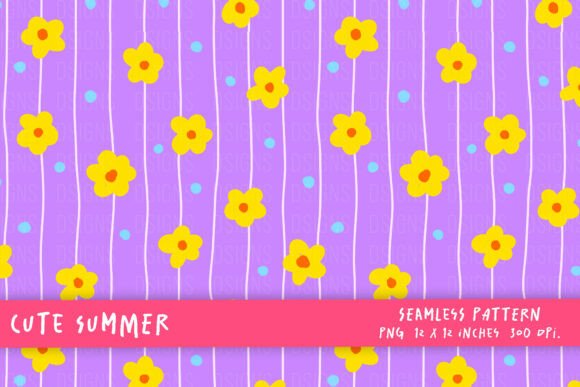
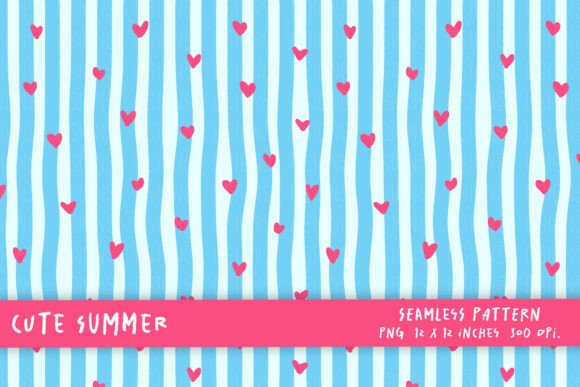
Summer design projects thrive on energy, light, and a sense of effortless fun. When you are looking to capture that specific vibe, a Cute Summer Blue Striped Background PNG featuring hand-drawn wavy lines and scattered pink hearts offers an immediate aesthetic upgrade. This whimsical, watercolor-inspired style is not just a pretty image; it is a functional asset for fabric printing, scrapbooking, stationery, and various print-on-demand products. However, many creators, from hobbyists to small business owners, often stumble when integrating these digital assets into their workflows. The difference between a professional-looking final product and a disappointing result often lies in understanding the technical limitations and best practices associated with high-resolution seamless patterns.
One of the most common misunderstandings involves the file format itself. Because this design is delivered as a PNG file, many users assume it behaves like a vector graphic. It does not. A frequent mistake occurs when a designer downloads the file and attempts to stretch or resize it significantly beyond its original dimensions to fit a large format, such as a banner or a wide roll of wrapping paper. Since the file provided is a raster image at 300 DPI and 12 x 12 inches, enlarging it too much will result in pixelation and a loss of the crisp, hand-drawn quality that makes the blue stripes and pink hearts so appealing. To avoid this, always check the intended print size against the file's native resolution. If you need to cover a larger area, rely on the fact that this is a seamless pattern. Tile the image repeatedly in your design software rather than stretching a single instance of it.
Navigating Editing Limitations and Workflow Efficiency
A critical detail that often catches beginners off guard is the editability of the file. The product specifications clearly state that the file is not editable. This means you cannot isolate the pink hearts from the blue stripes or change the shade of blue to match a specific brand color directly within the image file. A poor decision here would be purchasing this asset expecting to tweak the individual elements without advanced photo editing skills. If your project requires specific color matching or element separation, you must plan your workflow differently. Instead of trying to force edits that degrade the image quality, use blending modes in software like Photoshop or Procreate to overlay colors, or place the pattern as a background layer beneath other design elements.
Furthermore, overlooking the "seamless" nature of the pattern can lead to visible breaks in your design, ruining the professional look of apparel or digital papers. Some users treat the 12x12 inch square as a static sticker rather than a repeating tile. When applied to a t-shirt mockup or a planner cover, failing to align the edges correctly creates awkward seams where the wavy lines do not flow naturally. The better approach is to utilize the "pattern fill" or "define pattern" features found in most graphic design applications. This ensures the hand-drawn wavy blue stripes continue infinitely without interruption, maintaining the cheerful, continuous aesthetic essential for summer-themed crafts.
Choosing the Right Application for High-Resolution Assets
The versatility of this design is one of its strongest selling points, suitable for everything from tumblers to phone cases. However, applying a 300 DPI image to different substrates requires different preparations. A common error in the print-on-demand industry is ignoring the color profile requirements of the specific printer being used. While the PNG looks vibrant on your screen, printing it on dark apparel without considering transparency or underlay can mute the bright blues and pinks. Since this is a PNG, it likely supports transparency, but you must verify if the white background (if present) needs to be removed for your specific application. For light-colored fabrics, the standard file works perfectly. For dark fabrics, you may need to create a composite design where the pattern is printed on a white transfer or DTG base to ensure the colors pop.
Another area where creators often lose efficiency is in file organization and resolution management. Downloading a high-quality asset is useless if it gets lost in a folder of low-res web graphics. When you receive your 1 PNG file, immediately rename it with descriptive tags including the resolution and dimensions. This prevents the accidental use of a downsampled version later in the process. Additionally, understand that 300 DPI is the gold standard for physical printing. If you are using this for digital-only projects, such as website backgrounds or social media graphics, you technically do not need the full 300 DPI file, but keeping the master high-res version ensures you have flexibility for future physical products like scrapbooking pages or greeting cards.
- Verify Dimensions Early: Before starting a project, confirm that the 12x12 inch canvas size meets your minimum coverage needs. If you are designing a full-yard fabric print, calculate how many tiles are required to fill the space without distortion.
- Respect the Raster Format: Remember that this is a pixel-based image. Avoid rotating it at odd angles multiple times, as this can introduce aliasing and blur the delicate watercolor textures of the stripes.
- Test Print Small: Whether you are making stickers or apparel, always run a small test print. Colors can shift between monitors and printers, and seeing the pink hearts and blue stripes on the actual material helps you adjust brightness or contrast before committing to a large batch.
- Leverage the Theme: This design is specifically tuned for summer. Using it for winter-themed packaging might feel disjointed. Maximize its impact by pairing it with complementary seasonal elements like sun icons, beach typography, or citrus motifs.
Ultimately, the value of this asset lies in its ready-to-use nature. It saves you the time of creating a hand-drawn texture from scratch while providing a trendy, cohesive look. By respecting the technical boundaries of the PNG format, utilizing the seamless tiling capability correctly, and planning your print settings ahead of time, you ensure that the final output reflects the fun and cheerful intent of the original design. Whether you are a freelancer delivering a client project or a hobbyist making gifts, treating the digital file with the same care as a physical material will yield the highest quality results. Embrace the constraints as part of the creative process, and let the bright, playful aesthetic elevate your summer collection.