Elevating Modern Design with a Cute Summer Hand-Drawn Flowers Pattern
In the ever-evolving landscape of digital and print design, the demand for authenticity has never been higher. Audiences today are increasingly drawn to visuals that feel human, tactile, and emotionally resonant, moving away from the sterile perfection of vector-generated graphics. This shift is where a Cute Summer Hand-Drawn Flowers Pattern becomes an invaluable asset. It is not merely a decorative element; it is a strategic tool for creators, marketers, and business owners looking to infuse their projects with personality and warmth. By integrating organic, imperfect lines and cheerful color palettes, designers can bridge the gap between digital convenience and the nostalgic charm of analog art.
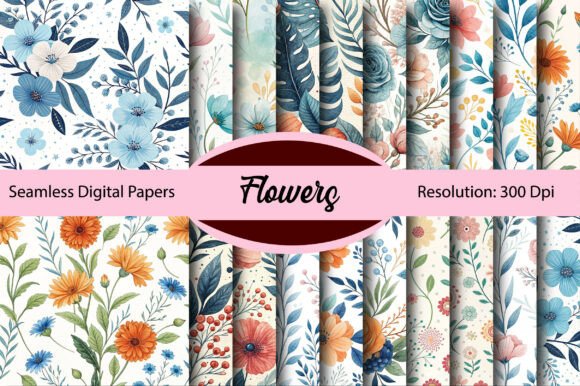
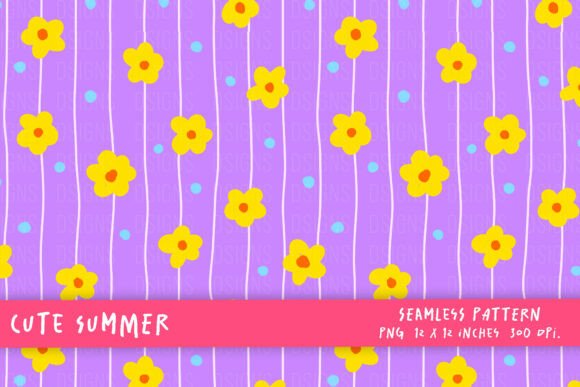
The specific appeal of this aesthetic lies in its ability to evoke immediate positive emotions. Consider a pattern featuring vibrant yellow blossoms with orange centers, playfully scattered against a purple background with whimsical white vertical stripes. This combination does more than just fill space; it tells a story of sunshine, retro fun, and carefree summer days. For professionals ranging from freelance graphic designers to small business owners, utilizing such distinct imagery helps brands stand out in saturated markets. It signals approachability and creativity, qualities that are essential for building trust and engagement with modern consumers.
The Resurgence of Hand-Drawn Aesthetics in Digital Workflows
The trajectory of design trends over the last decade has shown a clear pendulum swing. After years of dominance by flat design, minimalism, and corporate Memphis styles, there is a palpable hunger for texture and imperfection. This is not a fleeting fad but a reflection of broader cultural shifts. As our lives become increasingly digitized and automated, there is a collective yearning for the "human touch." A hand-drawn pattern satisfies this psychological need by introducing irregularities that mimic natural growth and manual creation.
For educators, bloggers, and content creators, this trend offers a practical solution to the problem of visual fatigue. When users scroll through endless feeds of polished, algorithmically optimized images, a genuine hand-drawn illustration stops the thumb. It disrupts the pattern of expectation. The evolution of this style has moved from niche craft circles into mainstream commercial use because it works across various mediums. Whether it is used in a PowerPoint presentation for a workshop, a social media graphic for a lifestyle brand, or packaging for a boutique product, the organic nature of the artwork translates well.
Moreover, the technical accessibility of these assets has democratized high-quality design. Previously, commissioning custom hand-drawn illustrations required significant budget and time. Today, high-resolution seamless patterns allow individuals and small teams to access professional-grade art instantly. A file that offers 300 DPI resolution ensures that the intricate details of the hand-drawn lines remain crisp whether printed on a business card or a large format poster. This availability aligns perfectly with the modern workflow of agile entrepreneurs who need to iterate quickly without sacrificing quality.
Strategic Applications for Business and Branding
Understanding how to deploy a Cute Summer Hand-Drawn Flowers Pattern effectively requires looking beyond aesthetics to function. For marketers and business owners, the choice of pattern influences brand perception. A design featuring bright yellow flowers and pastel blue dots on a purple background suggests energy, optimism, and creativity. This is particularly effective for industries such as wellness, education, children's products, and creative services.
Consider the practical implications for product packaging. In a retail environment, shelf presence is critical. A seamless pattern that wraps around a box or labels a jar creates a cohesive visual identity that feels curated rather than generic. The retro vibes associated with vertical stripes and bold floral motifs tap into current nostalgia trends, appealing to demographics that value vintage-inspired design. This approach can elevate a standard commodity into a lifestyle statement.
Digital applications are equally potent. Web designers and UI/UX professionals can use these patterns as subtle background textures to break up white space without overwhelming the user interface. Unlike solid colors or harsh gradients, a soft, scattered floral pattern adds depth and interest while maintaining readability. For email marketing campaigns, incorporating such visuals can increase open rates and engagement by making the content feel more personal and less corporate. The key is balance; the pattern should support the message, not distract from it.
Color Psychology and Emotional Connection
The effectiveness of any design asset is deeply rooted in color psychology. The specific palette described—vibrant yellows, warm oranges, cool pastel blues, and rich purples—is a masterclass in emotional signaling. Yellow is universally associated with happiness, energy, and intellect. It grabs attention and stimulates mental activity. When paired with orange, which represents enthusiasm and creativity, the combination creates a powerful sense of warmth and invitation.
Contrasting these warm tones with pastel blue introduces a calming element, preventing the design from becoming too aggressive. Blue fosters trust and serenity, grounding the energy of the yellow. The purple background adds a layer of sophistication and whimsy, often linked to imagination and luxury. Finally, the white vertical stripes provide structure and rhythm, guiding the eye across the composition. For creators, understanding these dynamics allows for more intentional design choices. It is not just about picking pretty colors; it is about curating an emotional experience for the viewer.
This thoughtful color arrangement makes the pattern versatile. It can be toned down for professional contexts or amplified for celebratory occasions. A wedding invitation suite, a summer sale flyer, or a classroom decoration set can all benefit from this specific interplay of hues. The versatility ensures that the asset remains useful across different seasons and projects, providing long-term value for the user.
Technical Considerations for Creators
While the artistic merit of a pattern is paramount, its technical specifications determine its usability in real-world scenarios. Professionals must pay attention to file formats, resolution, and scalability. A high-resolution file, such as one provided at 300 DPI, is non-negotiable for print applications. This density ensures that the fine lines of the hand-drawn flowers do not pixelate or blur when rendered on physical media. For a 12x12 inch canvas, this level of detail provides ample room for cropping, scaling, and rearranging elements to suit specific layout needs.
The concept of a "seamless pattern" is crucial for efficiency. A seamless tile allows designers to cover surfaces of any size without visible breaks or awkward edges. This is essential for web backgrounds, fabric printing, and large-scale wall murals. However, users must also be aware of limitations. For instance, if a file is delivered as a flattened PNG, it is not editable in the sense that individual layers cannot be separated. This means the color of the flowers or the thickness of the stripes cannot be altered post-purchase without advanced manipulation techniques. Understanding this constraint upfront helps manage expectations and guides the selection process. Users who need full customization might opt for vector files, but those prioritizing immediate, high-quality deployment will find pre-rendered PNGs ideal.
Furthermore, the integration of these patterns into modern software workflows is straightforward. Most design platforms, from Adobe Photoshop to Canva, handle PNG files with transparency or solid backgrounds effortlessly. This compatibility reduces the learning curve for hobbyists and speeds up production for agencies. The ability to drag, drop, and scale a pre-made pattern allows creators to focus on higher-level strategic decisions rather than getting bogged down in repetitive detailing.
Future-Proofing Your Creative Assets
As we look toward the future of design, the line between digital and physical continues to blur. Augmented reality (AR) and interactive media are becoming more prevalent, yet the foundational need for strong, static visuals remains. A well-crafted hand-drawn pattern serves as a robust base layer for these emerging technologies. Imagine a product package with a floral pattern that, when scanned, triggers an animated summer scene. The static art provides the anchor for the digital experience.
Sustainability is another growing concern influencing design choices. Digital assets reduce the need for physical prototypes and waste during the brainstorming phase. By utilizing high-quality digital patterns, businesses can visualize concepts accurately before committing to print runs. This aligns with the values of environmentally conscious consumers and companies striving to reduce their carbon footprint.
Ultimately, the decision to incorporate a Cute Summer Hand-Drawn Flowers Pattern into your portfolio or project lineup is an investment in versatility and emotional connection. It addresses the modern consumer's desire for authenticity while meeting the practical demands of high-resolution output and seamless integration. Whether you are a seasoned designer looking to refresh your toolkit or an entrepreneur building a brand from the ground up, leveraging these cheerful, retro-inspired visuals can significantly enhance your communication strategy. The goal is not just to decorate, but to connect, inspire, and create lasting impressions through the universal language of art.