Integrating the Spring Floral Stripe Seamless Pattern into Professional Design Workflows
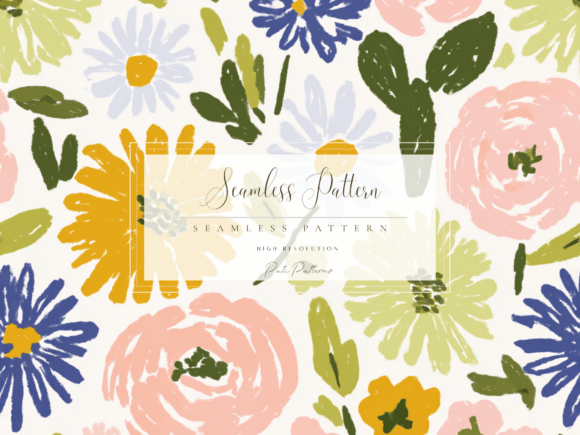
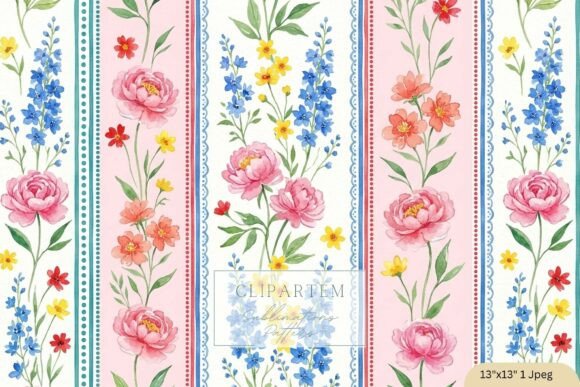
In the landscape of surface design and digital content creation, the selection of core assets often dictates the efficiency and aesthetic quality of the final output. The Spring Floral Stripe Seamless Pattern represents more than just a decorative image; it is a functional component designed to streamline production across various mediums. This specific asset features lush pink peonies, delicate blue delphiniums, vibrant yellow buttercups, and cheerful red wildflowers arranged in elegant vertical stripes. Set against a light pink and white background with soft dotted borders, the hand-painted watercolor style offers a romantic, cottage-garden feel that resonates with current market trends favoring fresh, feminine, and organic visuals.
For professionals ranging from freelance graphic designers to small business owners managing print-on-demand stores, understanding how to integrate such a pattern into an existing workflow is crucial. The value of this asset lies not only in its visual appeal but in its technical readiness. Provided as a high-resolution seamless JPEG file at 300 DPI, it eliminates the preliminary stages of scanning, cleaning, and tiling that often bog down creative projects. This allows creators to move immediately from concept to execution, focusing on application rather than asset preparation.
Strategic Placement in the Creative Lifecycle
Effective project management involves knowing when to introduce specific resources. The Spring Floral Stripe Seamless Pattern can be deployed at multiple stages of a project lifecycle, depending on the nature of the deliverable.
During the Conceptualization Phase: For branding projects or seasonal marketing campaigns, this pattern serves as an excellent mood-board anchor. Its specific color palette—combining soft pinks with vibrant yellows and blues—can define the visual direction for a spring collection before a single custom illustration is drawn. Marketers and art directors can use the pattern to test color harmony against typography and logo placements, ensuring consistency early in the process.
In the Production Phase: This is where the seamless nature of the tile becomes most critical. Whether designing packaging for a boutique soap line or creating backgrounds for a digital planner, the pattern acts as a ready-made texture. Because the repeat is engineered to tile perfectly, designers avoid the common pitfall of visible seams that require manual retouching. This compatibility with standard design software ensures that the asset fits smoothly into layers without disrupting the workflow of masking, clipping, or blending.
Post-Production and Scaling: Once a primary design is established, this pattern facilitates rapid scaling. A design created for a greeting card can be easily adapted for a tote bag or wallpaper by adjusting the scale of the repeat. The versatility of the vertical stripe orientation allows it to work on both wide-format prints and narrow applications, such as ribbon or book spines, maximizing the return on investment for the asset purchase.
Technical Compatibility and Implementation Standards
Integrating a new asset into a professional toolkit requires attention to technical specifications. The Spring Floral Stripe Seamless Pattern is delivered as a JPEG, a universally compatible format that works seamlessly across Adobe Photoshop, Illustrator, Canva, Procreate, and Affinity Designer. However, successful implementation depends on adhering to specific handling protocols to maintain the integrity of the 300 DPI resolution.
When importing the file, it is essential to place it as a linked or embedded smart object rather than rasterizing it immediately. This preserves the ability to resize the pattern non-destructively. For large-scale applications like wallpaper or fabric printing, the pattern should be scaled up significantly. The high resolution ensures that even when expanded to cover several square feet, the watercolor details of the peonies and delphiniums remain crisp, avoiding pixelation that could compromise print quality.
For users working in vector-based environments, the JPEG can be used as a template for tracing if vectorization is required for specific cutting machines, though the watercolor texture is best preserved in raster formats. When preparing files for sublimation, such as tumbler wraps, the vertical stripe orientation must be aligned carefully with the curvature of the object to ensure the flowers do not appear distorted. Testing a small proof print is a recommended step in the quality control process to verify color accuracy, as watercolor hues can shift slightly depending on the substrate and printer profile.
Diverse Application Scenarios
The utility of this pattern extends across a broad spectrum of industries. Below are practical examples of how different professionals can leverage this asset within their specific operational contexts:
- Fabric and Textile Design: Quilting cotton and apparel manufacturers can utilize the vertical stripes to create directional prints. The pattern is ideal for skirt panels, dress bodices, or quilt sashing where a linear flow enhances the garment's structure. The seamless repeat ensures continuous patterns across yardage without awkward breaks.
- Packaging and Gift Wrap: Small business owners selling handmade goods can apply this pattern to custom gift wrap or box liners. The cheerful red wildflowers and yellow buttercups add a premium, hand-finished look that elevates the unboxing experience, reinforcing brand identity through consistent aesthetic choices.
- Digital Products and Stationery: Creators of digital planners and printable stationery can use the pattern as background layers for covers, dividers, or journal pages. The light pink and white background provides sufficient contrast for legible text overlay, making it functional for productivity tools as well as decorative items.
- Home Decor and Interior Styling: Interior designers specifying custom wallpapers or upholstery can rely on the cottage-garden feel to soften modern spaces. The pattern works particularly well in nurseries, sunrooms, or boutique retail environments where a welcoming, organic atmosphere is desired.
- Sublimation and Merchandise: Entrepreneurs running print-on-demand businesses can apply the design to tumblers, mousepads, and tote bags. The vibrant colors are well-suited for sublimation transfers, which thrive on bright, saturated imagery.
Optimizing Workflow Efficiency and Consistency
To fully capitalize on the benefits of the Spring Floral Stripe Seamless Pattern, organization is key. Professionals should establish a standardized library system where assets are tagged by season, color palette, and motif. By categorizing this pattern under "Spring," "Floral," and "Stripes," teams can retrieve it quickly during brainstorming sessions, reducing downtime spent searching for appropriate textures.
Consistency across platforms is another factor to consider. When using the pattern for both digital marketing materials and physical products, ensure that color profiles (sRGB for web, CMYK for print) are managed correctly. The watercolor style, with its soft edges and blended tones, can sometimes appear muted in CMYK if not properly profiled. Conducting a pre-flight check on all files before sending them to production prevents costly reprints and maintains brand standards.
Furthermore, this pattern can serve as a foundational element for derivative works. Designers can overlay text, icons, or additional graphical elements to create unique variations while maintaining a cohesive family of designs. For instance, adding a monogram over the striped background creates personalized stationery, while isolating specific flower clusters can generate matching icons for a website. This modular approach extends the lifespan and utility of the original asset.
Long-Term Value and Adaptability
Investing in high-quality, versatile patterns like this one offers long-term value. Trends in surface design often cycle back to classic motifs, and the timeless nature of watercolor florals ensures relevance beyond a single season. While marketed as a spring asset, the inclusion of vibrant yellows and deep reds allows it to transition into summer collections with minor color grading adjustments.
For educators and bloggers, this pattern provides a reliable visual resource for creating engaging headers, social media graphics, and course materials. The friendly, approachable aesthetic helps in building a connection with audiences, making complex information feel more accessible. For hobbyists, the ease of use means less time troubleshooting technical issues and more time enjoying the creative process.
In conclusion, the Spring Floral Stripe Seamless Pattern is a robust tool for anyone involved in visual creation. Its high-resolution construction, seamless tiling capability, and charming aesthetic make it a practical choice for a wide array of applications. By understanding its technical requirements and strategically integrating it into planning, production, and scaling phases, professionals can enhance their output quality and operational efficiency. Whether used for a single custom project or a large-scale commercial run, this pattern delivers the reliability and beauty necessary to succeed in today's competitive creative markets.