Integrating the Seashell Pattern into Professional Creative Workflows
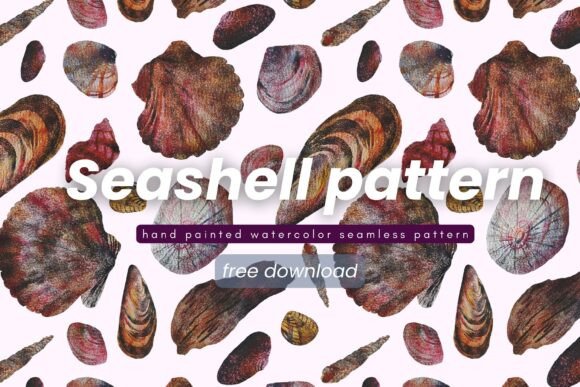
In the landscape of modern design, the choice of texture and motif often dictates the emotional resonance of a project. The Seashell Pattern represents more than a simple decorative element; it is a versatile asset designed to bridge the gap between organic inspiration and professional execution. This seamless coastal design features detailed seashell illustrations with rich textures and natural tones, offering a soft beach-inspired touch that elevates work across various industries. For professionals ranging from brand strategists to independent creators, understanding how to integrate this pattern into existing workflows is essential for maximizing its utility and ensuring consistent quality.
The value of such an asset lies not just in its aesthetic appeal but in its adaptability. Whether you are finalizing a packaging prototype, curating a social media feed, or selecting fabrics for a home collection, the implementation phase requires a strategic approach. By treating the pattern as a foundational component rather than an afterthought, you can streamline production timelines and enhance the overall coherence of your output.
Strategic Placement in the Design Lifecycle
Effective use of the Seashell Pattern begins during the planning stages of a project. Before a single pixel is edited or a material is ordered, the pattern should be evaluated against the project's core objectives. In branding and packaging, for instance, the decision to utilize coastal motifs must align with the brand's identity and target demographic. If the goal is to evoke tranquility, sustainability, or a connection to nature, this pattern serves as a potent visual shorthand.
During the conceptualization phase, designers should consider how the pattern interacts with other brand assets. Does the natural tone of the shells complement the existing color palette? How does the rich texture translate when scaled down for a business card versus scaled up for a storefront window? Addressing these questions early prevents costly revisions later in the process. The pattern acts as a unifying thread, tying together disparate elements like typography, logo placement, and negative space into a cohesive whole.
Furthermore, the pattern plays a critical role in the execution phase. Because it is fully seamless, it removes the technical friction often associated with tiling images. Designers do not need to spend hours manually aligning edges or hiding seams, allowing them to focus on higher-level creative decisions. This efficiency is particularly valuable in fast-paced environments where turnaround times are tight, such as marketing campaigns or seasonal product launches.
Application Across Diverse Mediums
The versatility of the Seashell Pattern allows it to function effectively across both digital and physical domains. Its high-resolution nature ensures that details remain crisp whether viewed on a retina display or printed on large-format materials. Below are specific contexts where this asset adds tangible value:
- Branding and Packaging: Use the pattern as a background for product boxes, labels, or shopping bags. The organic shapes soften the industrial feel of mass production, creating a tactile experience that encourages customer engagement.
- Social Media Backgrounds: In the crowded digital marketplace, consistency is key. Applying this pattern to story highlights, post templates, or profile banners creates an instantly recognizable visual identity that reinforces brand recall.
- Stationery Design: From letterheads to envelopes, the subtle texture of the shells adds a layer of sophistication to corporate or personal correspondence, making everyday communications feel more curated.
- Fabric and Surface Design: For interior designers and fashion creators, the seamless nature of the file facilitates easy repetition across textiles, wallpapers, and ceramics without visible breaks or distortions.
When adapting the pattern for these different mediums, consideration must be given to the output method. For print projects, ensure that the color profile matches the printer's requirements (typically CMYK) to maintain the integrity of the natural tones. For digital applications, optimizing the file size without compromising resolution is crucial for maintaining fast load times on websites and apps.
Workflow Integration and Technical Compatibility
Integrating the Seashell Pattern into a broader workflow involves more than just dragging and dropping an image file. It requires an understanding of how the asset interacts with your current software ecosystem. Most professional design suites, such as Adobe Photoshop, Illustrator, or Affinity Designer, handle seamless patterns efficiently, but setting them up correctly saves time.
A practical approach involves creating a library of swatches or styles where the pattern is pre-loaded. This allows team members to apply the texture consistently across multiple files without searching for the source asset each time. In collaborative environments, this standardization reduces errors and ensures that everyone is working from the same version of the truth. It also simplifies the handoff process between designers, developers, and printers.
Compatibility extends to the people involved in the project as well. When presenting concepts to clients or stakeholders, using a high-quality, textured background can help sell the vision more effectively than a flat color mockup. The detailed illustrations provide depth that static colors lack, making the proposal feel more finished and thoughtful. This psychological impact can accelerate approval processes and reduce the number of revision rounds.
Maintaining Quality and Consistency
Long-term use of any design asset demands rigorous quality control. While the Seashell Pattern is high resolution, its effectiveness can diminish if used indiscriminately. Overuse can lead to visual fatigue, where the audience becomes desensitized to the motif. To avoid this, employ the pattern strategically. Use it to highlight key areas or to create contrast against simpler elements.
Organization is another critical factor. As projects accumulate, keeping track of where and how the pattern was used becomes challenging. Implement a naming convention and folder structure that categorizes assets by project, date, and usage type. This practice not only aids in retrieval but also helps in auditing past work to see what resonated with audiences. Did the pattern perform better on packaging or in digital ads? Analyzing these outcomes informs future decisions.
Additionally, consider the longevity of the design trend. While coastal themes have enduring appeal, specific stylistic treatments can date quickly. The strength of this particular pattern lies in its reliance on natural tones and detailed illustration rather than fleeting graphic trends. This timeless quality ensures that materials produced today will remain relevant for years, protecting the investment made in the design process.
Optimizing for Efficiency and Outcomes
The ultimate goal of incorporating the Seashell Pattern is to enhance the overall quality of the output while maintaining efficiency. By leveraging its seamless properties, creators can reduce the time spent on manual adjustments. This freed-up time can then be redirected toward refining other aspects of the project, such as copywriting, user experience, or strategic planning.
For entrepreneurs and small business owners, this efficiency translates directly to cost savings. Less time spent on design iterations means faster time-to-market for new products. For educators and publishers, it means creating engaging materials that capture attention without requiring extensive custom illustration work. The pattern serves as a force multiplier, allowing individuals and teams to achieve professional results with limited resources.
Implementation also involves testing. Before rolling out a full campaign or production run, generate prototypes. Print a sample of the packaging or view the social media template on various devices. Check how the natural tones appear under different lighting conditions or screen settings. These small checks prevent large-scale errors and ensure that the final product meets the high standards expected by today's consumers.
In conclusion, the Seashell Pattern is a robust tool for anyone looking to infuse their work with a sense of calm and natural beauty. Its application extends far beyond simple decoration; it is a strategic element that, when managed correctly, enhances branding, streamlines production, and improves audience engagement. By approaching its use with a mindset focused on planning, compatibility, and quality control, professionals can unlock its full potential. Whether you are designing a new product line or refreshing your digital presence, this asset offers a reliable foundation for creating meaningful and visually stunning work.